
Disability and Inclusion
What does inclusion in tennis mean in Herts?
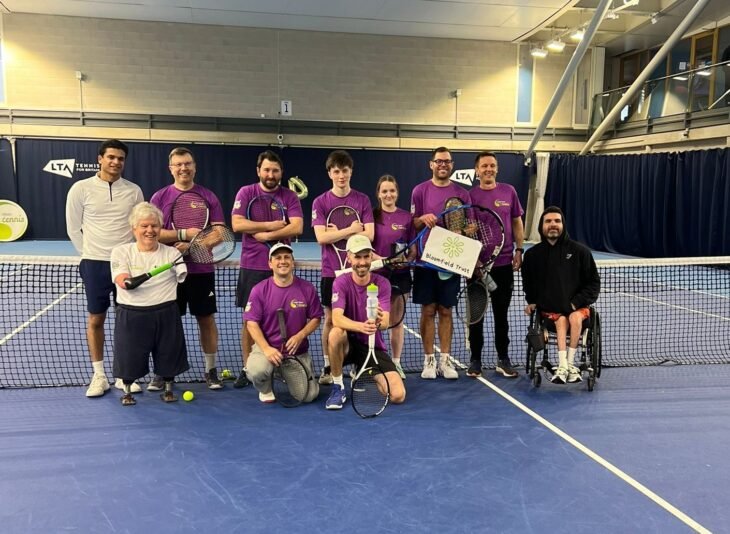
At Herts Tennis it is our aim to make tennis inclusive, inviting and engaging for everyone, regardless of age or ability. We seek to provide a variety of opportunities for disabled people to get involved in tennis and padel by actively addressing barriers to disability inclusion. We believe inclusion matters because the benefits extend beyond the tennis court and help to change lives, creating positive first steps towards improved mental, physical, and social wellbeing. Our strategy includes providing tennis opportunities to many different disability groups, including those with learning disabilities, hearing or visual impairments, wheelchair users, para-standing athletes, walking tennis participants, neurodiverse individuals, and those with mental health challenges. Find out more about these groups and how you can get involved with disability tennis below:
Wheelchair tennis: A highly inclusive and adaptive version of tennis for players with a physical impairment affecting the lower limbs. Find out more
Para standing tennis: A format of our sport for people with physical impairments who want to play tennis without the use of a wheelchair. Find out more
Walking Tennis: For those looking for a gentler pace of play, it’s a great way for people to keep their bodies and minds active. Find out more
Sensory tennis: Tennis activities fully adapted to people’s needs and allowing them to fully benefit from the physical, mental and social benefits. Find out more
Learning Disability tennis: For those with a reduced intellectual ability and difficulty with everyday activities. For those looking to compete a player needs to have an IQ of 75 or less. Find out more
Deaf tennis: For those who are hearing impaired– to be eligible to compete a player must have an average hearing loss of 55dB or more in their best ear Find out more
Visually Impaired tennis: One of the leading sports for blind and partially sighted people in the UK, players looking to compete are split into 4 categories, and depending on their category they may have up to 3 bounces of the ball before returning the shot. The categories are:
B1 – No sight, players are allowed three bounces of the ball and nets are lowered
B2 – Partial sight and players are allowed three bounces of the ball
B3 – Partial sight and players are allowed two bounces of the ball
B4 and B5 – Partial sight and are allowed one bounce of the ball
Neurodiversity: For those whose brains work and process information differently. It covers a spectrum of neurological variants including ASD, ADHD, Dyslexia and Dyspraxia. Find out more
Coaching
If you are a coach looking for guidance on disability inclusion, follow this link and find all the information you need. Coaching guide
Competing
If you are looking to take your tennis a step further into competing, follow this link and find all the information you will need:
LTA Disability tennis pathway resource guide
These videos give you an idea of each of the activities on offer:
Credits: LTA YouTube videos, sense YouTube video
Disability tennis in Herts Tennis news:
Hertfordshire’s Ivan Rodriguez Deb qualifies for the VI Tennis Finals at Wimbledon
Herts team excel in the early morning at the Bright Ideas for Tennis 24 hour marathon